How to Start Your Own Cleaning Products Business
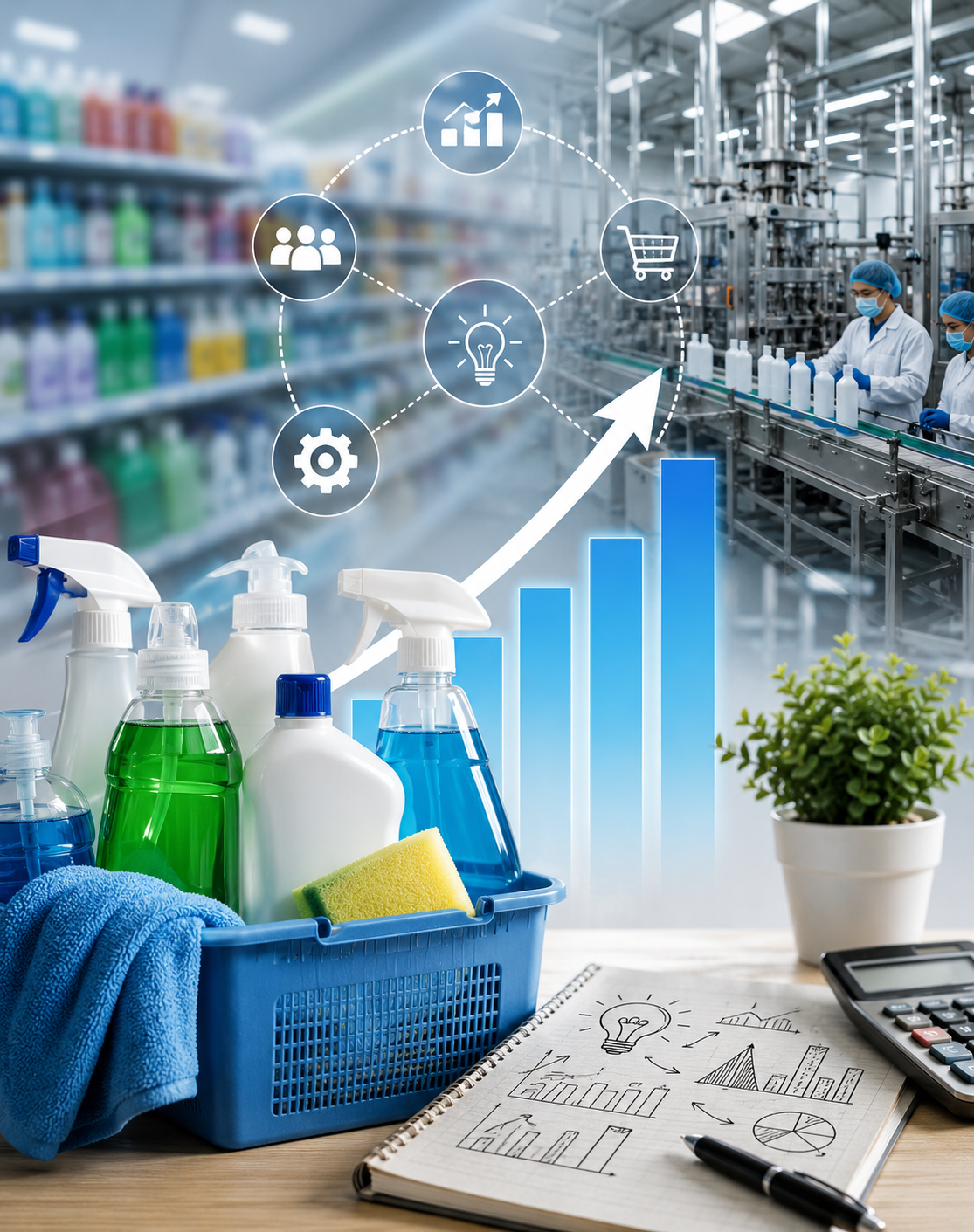
The cleaning and hygiene industry has experienced massive growth in recent years. Increasing awareness about hygiene, sanitation, and cleanliness has created strong demand for cleaning products across residential, commercial, and industrial sectors.
Starting a cleaning products business is now one of the most profitable opportunities for entrepreneurs, distributors, and wholesalers. With the right manufacturing partner and business strategy, you can launch your own brand with relatively low investment.
Why the Cleaning Industry Is Growing Rapidly
The demand for cleaning products continues to rise because of:
- Growing hygiene awareness
- Expansion of hotels and hospitals
- Increase in commercial spaces
- Industrial sanitation requirements
- Consumer preference for branded products
Products like floor cleaners, toilet cleaners, glass cleaners, handwash liquids, dishwash liquids, and sanitizers are used daily, ensuring continuous market demand.
Step 1: Choose Your Product Range
The first step is deciding which products you want to sell.
Popular categories include:
- Floor cleaners
- Toilet cleaners
- Glass cleaners
- Dishwash liquids
- Handwash
- Multi-purpose cleaners
- Degreasers
- Air fresheners
You can start with a small product range and gradually expand based on market demand.
Step 2: Partner with a Reliable Manufacturer
Selecting the right manufacturer is one of the most important decisions.
A good manufacturing partner provides:
- Consistent product quality
- Bulk production capacityToilet cleaners
- Technical support
- Packaging assistance
- Product customization
Working with an experienced manufacturer helps you avoid production challenges and focus on business growth.
Step 3: Choose Private Label or Third-Party Manufacturing
Private Labeling
In private labeling, products are manufactured by a company but sold under your own brand name.
Third-Party Manufacturing
The manufacturer produces products according to your requirements while you handle branding and sales.
Both models are cost-effective and ideal for startups.
Step 4: Build Your Brand Identity
Your brand identity includes:
- Brand name
- Logo design
- Packaging design
- Product labels
- Marketing materials
Professional branding helps create trust and attracts customers.
Step 5: Obtain Necessary Registrations
Depending on your business scale, you may require:
- GST registration
- Trade license
- Trademark registration
- MSME registration
Following legal requirements builds credibility and supports long-term business growth.
Step 6: Develop Distribution Channels
Your sales network may include:
- Retail shops
- Wholesale markets
- Distributors
- Online marketplaces
- Institutional sales
Strong distribution is essential for business expansion.
Step 7: Focus on Marketing
Marketing plays a key role in building brand awareness.
Effective marketing methods include:
- Social media promotion
- Instagram reels
- Product demonstrations
- Distributor meetings
- Digital advertising
- Website development
Educational content also helps attract business customers.
Benefits of Starting a Cleaning Products Business
Low Initial Investment
Third-party manufacturing reduces setup costs.
High Market Demand
Cleaning products are everyday essentials.
Repeat Customer Base
Regular usage creates recurring sales opportunities.
Common Challenges & Solutions
Competition
Distribution
Customer Trust
Conclusion
The cleaning products industry offers excellent opportunities for entrepreneurs looking to build a scalable and profitable business. By partnering with the right manufacturer and creating a strong brand presence, businesses can establish long-term success in this growing market.
Launching your own cleaning products brand today can become the foundation of a strong future business.