
Concentrate Cleaners: What They Are & How They Help Businesses Save Costs
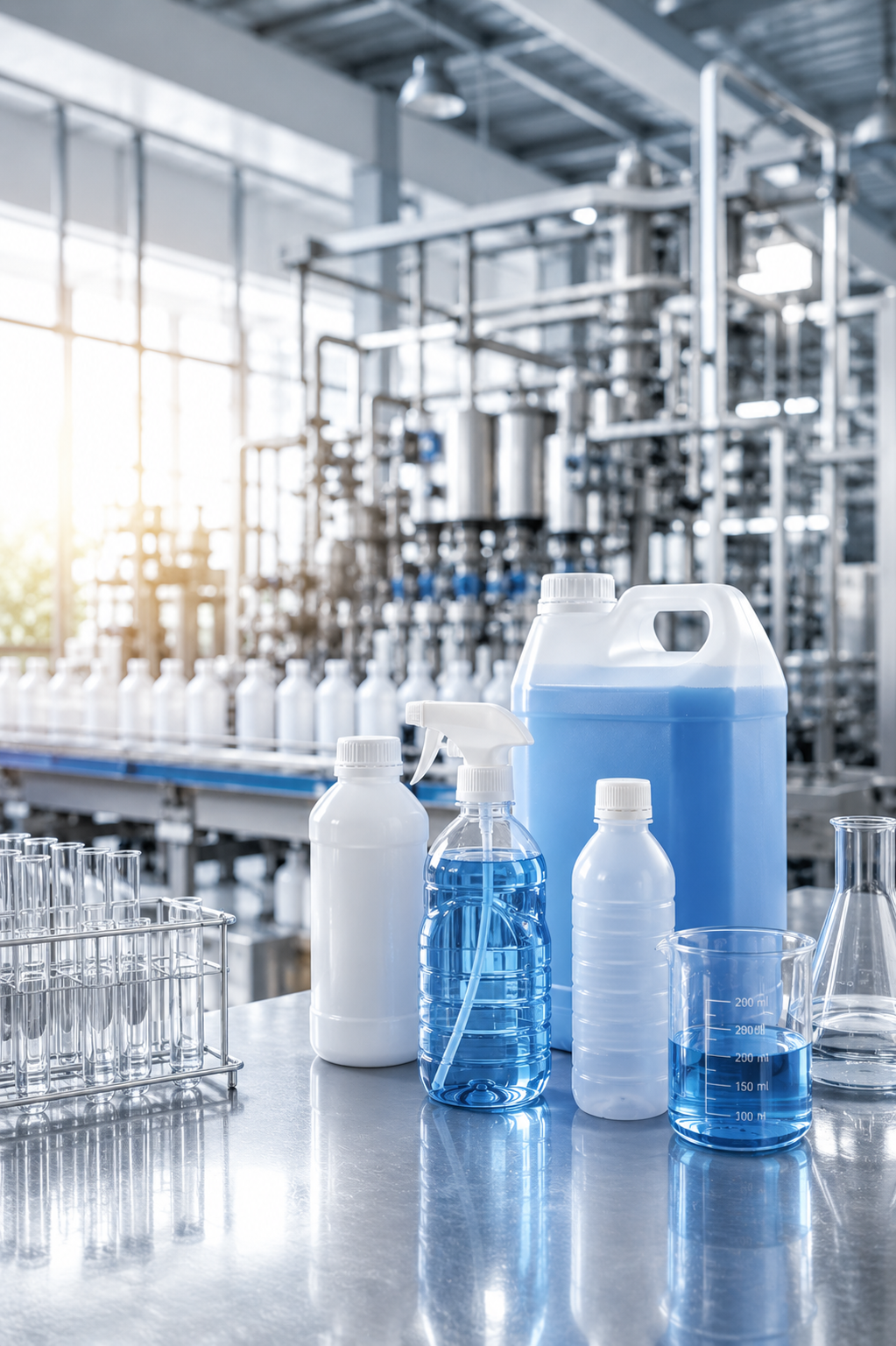
In today’s competitive cleaning and hygiene industry, businesses are constantly looking for smarter ways to reduce operational costs without compromising on quality. One of the most effective solutions is the use of concentrate cleaners. These products are becoming increasingly popular among hotels, hospitals, housekeeping companies, institutions, distributors, and commercial cleaning service providers because of their cost efficiency and high performance.
What Are Concentrate Cleaners?
Concentrate cleaners are highly potent cleaning formulations designed to be diluted with water before use. Unlike ready-to-use products that come pre-mixed, concentrated products contain active cleaning ingredients in a stronger form. This means a small quantity of concentrate can produce a large volume of usable cleaning solution.
For example, 1 liter of concentrated floor cleaner may produce 10–50 liters of ready-to-use solution depending on the recommended dilution ratio. This significantly reduces product consumption and overall cleaning costs.
How Concentrate Cleaners Work
Concentrated cleaning products are formulated using powerful surfactants, solvents, disinfectants, and cleaning agents. Since they are highly concentrated, users only need to mix a measured amount with water before application.
Different products have different dilution ratios depending on their purpose:
- Heavy-duty floor cleaner: 1:10
- Glass cleaner: 1:20
- Dishwash liquid: 1:2 or 1:3
- Multi-purpose cleaner: 1:15
Following the correct dilution ratio ensures optimal cleaning performance while maximizing cost savings.
Major Benefits of Concentrate Cleaners
1. Higher Output from Less Quantity
The biggest advantage of concentrate cleaners is that a small amount creates a much larger volume of usable product. Businesses can reduce the frequency of purchasing while maintaining uninterrupted operations.
2. Significant Cost Savings
Because concentrated products produce more output, the cost per liter becomes much lower compared to ready-to-use cleaners. This is especially beneficial for commercial establishments with high daily cleaning requirements.
3. Reduced Transportation & Freight Cost
Transporting concentrated products is more economical because less packaging and lower volume are involved. Businesses save on freight charges and storage space.
4. Easier Storage Management
Concentrates require less storage area compared to large quantities of diluted cleaners. Warehouses and distributors can manage inventory more efficiently.
5. Environment-Friendly Solution
Using concentrates reduces plastic packaging waste and transportation emissions, making them a more sustainable option for businesses.
6. Consistent Cleaning Performance
Professionally formulated concentrates deliver reliable cleaning results when diluted correctly. They maintain hygiene standards while reducing expenses.
Industries That Benefit Most from Concentrate Cleaners
Concentrate cleaning products are ideal for:
- Hotels and resorts
- Hospitals and healthcare facilities
- Restaurants and kitchens
- Schools and colleges
- Corporate offices
- Housekeeping agencies
- Industrial facilities
- Distributors and wholesalers
These sectors require large-scale cleaning regularly, making concentrates a practical and profitable solution.
Why Businesses Prefer Concentrate Cleaners
Commercial buyers focus heavily on operational efficiency. Concentrate cleaners help businesses achieve:
- Better profit margins
- Lower procurement costs
- Simplified inventory management
- Schools aReduced logistics expensesnd colleges
- Improved sustainability practices
For distributors, concentrates also mean better resale opportunities because customers appreciate products that provide higher value.
Choosing the Right Concentrate Cleaner
When selecting a concentrate cleaner, businesses should consider:
- Product application
- Surface compatibility
- Recommended dilution ratio
- Fragrance and appearance
- Manufacturer credibility
- Manufacturer credibility
- Safety standards
Working with a reliable manufacturer ensures consistent product quality and technical support.
Conclusion
Concentrate cleaners are a smart investment for businesses looking to optimize cleaning operations while reducing costs. Their high efficiency, lower transportation expenses, and long-lasting output make them an ideal choice for commercial and bulk users.
Whether you are a distributor, hotel owner, institutional buyer, or entrepreneur entering the cleaning products industry, concentrate cleaners can help maximize both performance and profitability.